
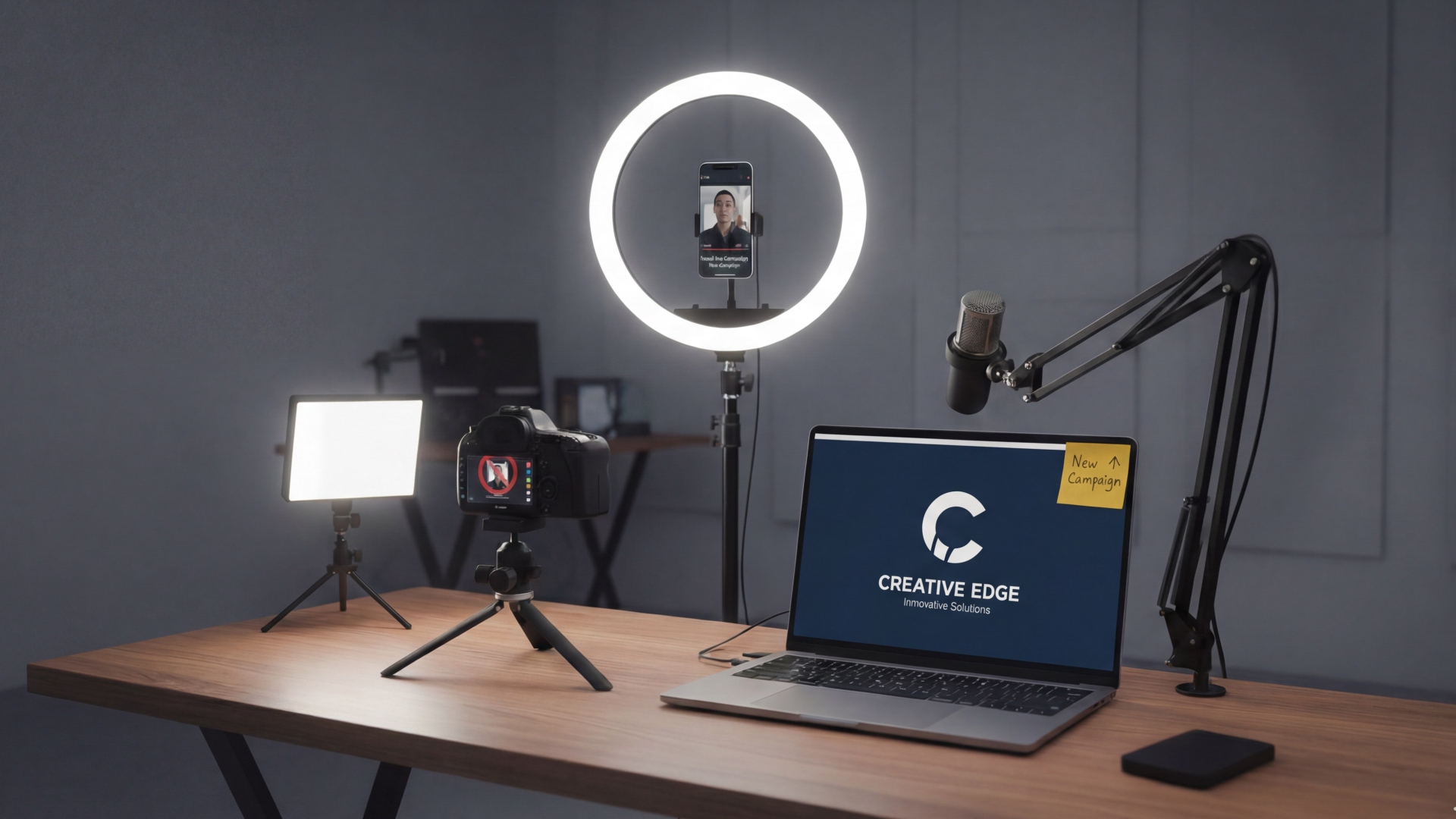
The field of producing video content underwent a radical change in 2026, modifying the approaches, which designers, brands and marketers employ to tell digital stories. Three current trends have emerged as the pillars of a successful video strategy, including silent-first design, vertical formatting, and instant hooks. Understanding such preferences in the algorithms is required nowadays by any person who wants to be noticed on such platforms like Instagram, Tik Tok, and YouTube.
The emergence of the silent first design of content is also one of the most radical changes in the production of video. Research indicates that on Facebook, 85 percent of videos are watched silently and on Instagram, it is 40 percent. This shift in consumption has forced the makers of the content to re-examine how they pass across their messages.
This change in viewing habits is caused by a number of factors. The audience consumes content in a place where they cannot listen to audio content like in a bus, during work or in a more serene home setting. Further, the default option of most social media platforms is still to have videos played in mute mode and the user must switch to the sound on.
Captions have come a long way to be a tool of accessibility to a tool of engagement. Research has shown that in videos with captions, the viewing time can increase by 12 percent, and engagement scores can be increased by a substantial margin. Nonetheless, captions in the current world extend beyond simple transcription. Dynamic captions with graphic typography, brand colors, and calculated timings have been introduced as the new standard.
Successful content creators do not consider captions an additional component of telling a story. Text overlays have many purposes: they help to follow the story, highlight important details, and ensure the understanding in case audio is missing. The sites such as these have perfected this technique, incorporating headings and images to create a smooth experience that works perfectly even without sound.
Silent - first editing requires creators to assume every video creators to assume every video will be watched without sound. This means building stories visually through compelling imagery, expressive animations, and clear visuals cues.motion graphics, screen recordings with highlighted UI elements, and strategic use of icons can replace lengthy audio explanations.
The SEO benefits of silent video are substantial. Captions can be better indexed by search engines and therefore are more discoverable on other platforms. Captions will help them reach more audiences across the world, translate content into other languages, and allow hearing-impaired people to watch their content, which has a dramatic impact on the target audience of a brand.
In 2026, the transition to vertical video is made to an industry standard. As mobile devices take most of the video views, the vertical orientation has been necessary to optimize the screen space and also the viewer's attention.
Vertical videos occupy the full screen of a smartphone and thus offer immersive viewing experiences that cannot be offered in horizontal videos. Vertical videos appear natural and interesting when users are using their smartphones in a natural portrait position, whilst horizontal videos appear to be squished with disgraceful black lines.
Instagram Reels, Tik Tok and YouTube Shorts have maximized their structure on vertical videos. Videos are favored by the algorithms on these platforms in the 9:16 aspect ratio. The reason is that these platforms are created to address the behavior of the users, and vertical videos are more enjoyable to watch. The users that fail to adjust to the vertical videos will see their videos not performing well as compared to others.
Shooting vertical video requires different compositional thinking than traditional horizontal cinematography. Successful creators frame subjects tightly,utilizing the height of the frame for impact. Vertical format excels at showcasing individuals, products, or processes that benefit from the portrait orientation.
Many professionals now employ a multi format strategy,shooting content that can be repurposed across orientations. However, the most effective approach involves planning vertical content form conception rather than cropping horizontal footage.This ensures optimal composition and maintains visual quality.
For brands and creators managing multiple platforms, vertical video offers significant advantages. A single piece of vertical content can be deployed across Instagram Reels, TiKTok, YouTube Shorts, and Facebook Reels without reformatting, streamlining workflow and maximizing content ROI.
Perhaps the most critical shift in 2026 video production involves the opening moments of content. Platform algorithms have evolved to prioritize “ intro retention”, measuring what percentage of viewers remain engaged beyond the first three seconds. Top - performing creators achieve 70 percent or higher intro retention rates.
The era of leisurely introductions has ended. Viewers make split- second decisions about whether to continue watching or scroll to the next video. Successful content creators eliminate all preamble, jumping directly into action or value delivery.
Instead of opening with greetings or lengthy explanations, effectively hooks employ several proven strategies. Pattern interrupts use surprising statements or unexpected visuals to stop the scroll. Promise - based openings immediately communicate value propagation within the first frame. Visual complexity and rapid pacing signal engaging content ahead.
TikTok’s algorithm particularly favors content that hooks viewers instantly. The platform’s machine learning analyzes watch time and completion rates, amplifying videos that retain attention. Similarly, Instagram’s algorithm measures engagement beyond simple views, prioritising content that generates saves, shares, and meaningful interactions.
Modern algorithms have evolved beyond vanity metrics like view counts. Platforms now prioritize deeper engagement signals that indicate genuine value. Rewatches represent one of the most powerful algorithmic signals, demonstrating content density that requires multiple viewings to fully process.
Saves and shares have emerged as premium engagement indicators. When users save content for later reference, platforms interpret this as high value material worthy of amplification. Share rates particularly matter because they extend content reach beyond individual feeds into direct messages and external platforms.
Average views per viewer has become a critical metric, with viral content typically achieving 1.3 or higher averages. This metric indicates that individual viewers watch content multiple times, signaling exceptional quality or entertainment value.
With the platforms improving their algorithms and partial consumption moving more to mobile-first consumption, the trends of silent, vertical, and instant content are bound to increase in magnitude. Those who adapt fast will also be in a better position to succeed in the long term, and those who continue using outdated formats will find themselves losing their reach and their level of engagement.
Democratization of the production means that there is no longer concern regarding the technical barriers to entry. Success in 2026 will not depend on equipment budgets but depend on knowledge on platform algorithms, audience behavior and content optimization. The creators will be able to optimize their content by adopting a silent-first design, vertical placement, and immediate engagement to achieve two goals simultaneously: an appeal to the algorithm and expectation on the part of the audience.
Video revolution is not in the offing, but here now. The question that every creator, brand and marketer has to answer is simple, will you adapt to these algorithmic truths or will they leave you behind?
